The History of Thai Massage Thai massage,
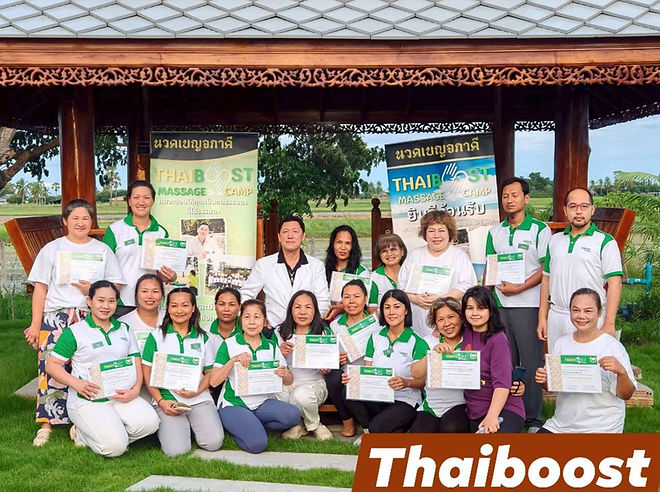
also known as Nuad Bo'Rarn or "ancient massage," has a rich history dating back over 2,500 years. Its origins are deeply rooted in traditional Thai medicine, Buddhism, and influences from India and China. Key Figures and Influences:*- Jivaka Kumar Bhaccha: A physician and contemporary of the Buddha, often credited as the founder of Thai massage. He introduced Ayurvedic principles of healing to Thailand, forming the foundation for Thai massage techniques.- Indian Ayurvedic Medicine: Thai massage incorporates elements of Ayurveda, including the concept of energy lines (Sen lines) similar to the Indian concept of nadis.- Buddhism: Buddhist monks played a significant role in preserving and passing down Thai massage techniques, emphasizing spiritual practices like mindfulness and meditation. Evolution and Development:*- Thai massage evolved through oral traditions and apprenticeships, with Buddhist temples serving as centers for teaching and practice.- The practice was influenced by Chinese massage techniques, yoga, and other regional healing traditions.- King Rama III's decree in 1832 ensured the preservation of ancient texts, including those on Thai massage, by engraving them on stone walls at Wat Pho temple. Global Recognition - UNESCO recognized traditional Thai massage as an intangible cultural heritage of humanity in 2019.- Today, Thai massage is practiced worldwide, with modern adaptations and training programs available, including the Thai Solution Massage 4+1) from Thaiboost Academy, Netheland - In Thailand, the Ministry of Public Health regulates traditional massage venues and practitioners, requiring at least 800 hours of training for certification.


4+1
Thai Solution
Massage
The 4+1 Thai Solution Massage (Nuad Benja Phakhi) is an advanced therapeutic technique developed and refined over 28 years by Master Sutep Mevattana of THAIBOOST Academy. It is a distillation of forms and knowledge from an ancient school of Thai massage, acupuncture, shiatsu, tui na, and human physiology to create a safe, holistic, and highly restorative massage practice that engages the body’s 4 major systems; performed without the use of oils, tools, or assisted yoga postures. In practice, thumbs, palms, and knees are used to apply acupressure to activate the body’s meridian pathways and trigger points. By targeting specific meridian points along the body, energy blockages can be cleared, and symptoms of pains, migraine, and other malaise can be relieved.
4+1 Thai Solution Massage engages the following: The Tendon and Muscular System Fascia Tissue System Nervous System Joint and Skeletal System (+1) Cultivation of the meditation state of mettā by the practitioner.


The 4+1 Thai Solution Massage encompasses the following:
1. The Tendon and Muscular System: Our treatment begins with an ancient style of Thai acupressure massage, relaxing muscle tightness and easing stiffness along the traditional 32 tendon pathways (Sen), plus 2 bonus pathways unique to Thai Solution.
2. Fascia Tissue System: As the muscles and the tendon pathways (Sen) ease, the rigidness of the fascia tissue also softens (myofascial release). This softening allows deeper relaxation of the muscles and Sen as the session progresses. The fascia is a thin layer of connective tissue that envelops every organs, blood vessels, bones, nerve fibers, and muscles in the body. A healthy fascia is naturally elastic and stretches with the body. However, inactivity, stress, injury, and repetitive movements can thicken and stiffen the fascia overtime. A stiffened fascia can cause chronic pain and restrict circulation and movement. Since the muscles, tendons (Sen), and fascia are inherently connected, our Thai Solution Massage works to release them together throughout the session.
3. Nervous System: Once the muscles, Sen, and fascia has been sufficiently released, acupressure trigger points activation can occur along the body’s 12 meridian pathways, following the Chinese tui na and the related Japanese shiatsu practices. This activation helps clear blocked energy pathways, improving vital energy flow, relieves deep-seated pain, and promoting the body’s natural healing abilities
.4. Joint and Skeletal System: After the above systems have been addressed, gentle stretches and pressure is applied with care to restore balance to high-use joints. This approach combines the principles of Thai traditional medicine with an intuitive understanding of human physiology to achieve a safe and holistic treatment. Provided that no previous surgery or joint injuries have occurred, this gentle technique can be effective in relieving chronic pains connected to the hard working joints and bones.(+1) At the heart of traditional Thai massage and medicine practice is the cultivation of the Buddhist meditation state of mettā, meaning loving-kindness or compassion. Following this ancient tradition, we cultivate mettā at the heart of our practice We happily invite you to experience the essence of Thai hospitality and healing at my located